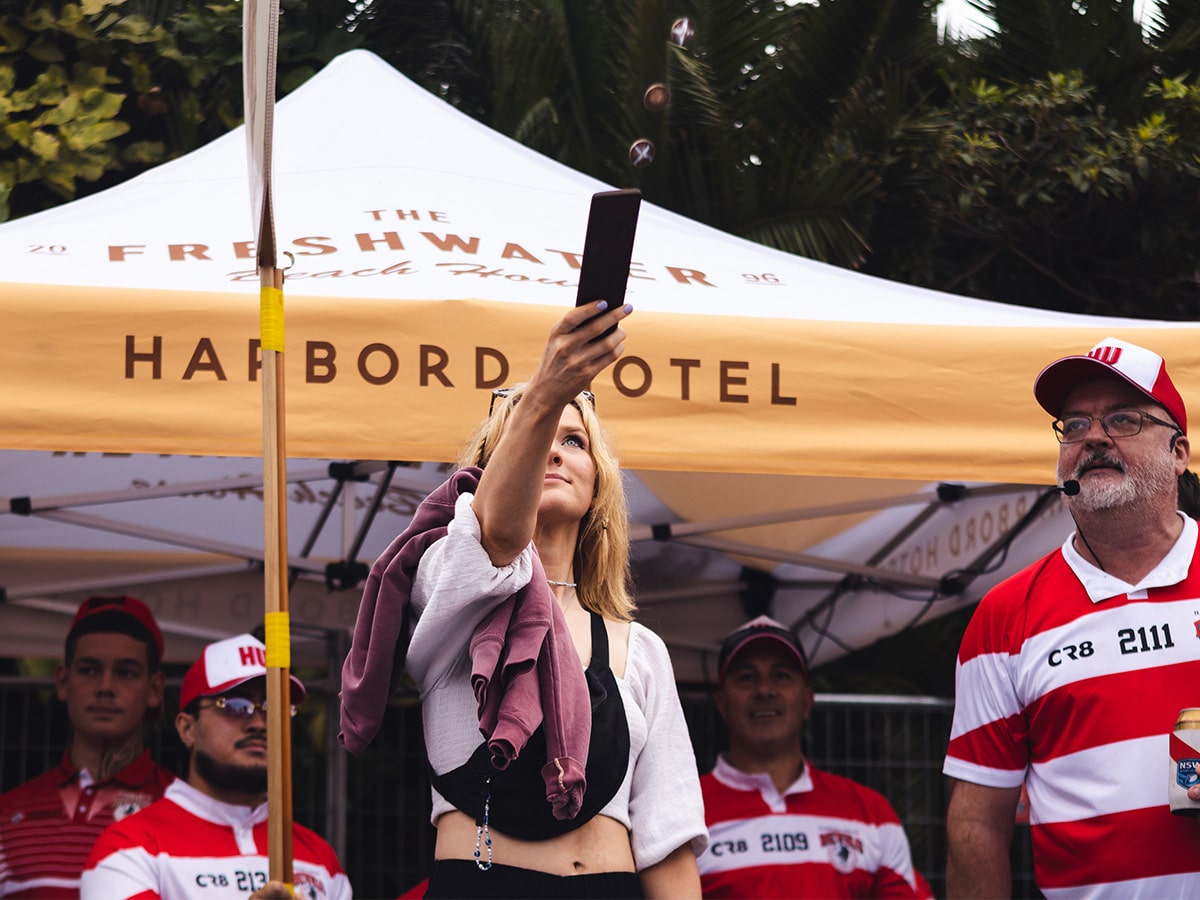
How to Play Two-Up
A beginner's guide to understanding the rules and engaging with the traditional game of Two-Up.
- Basic rules explained
- Cultural insights
- Dos and don'ts
- Frequently asked questions
Two-Up represents one of Australia's most distinctive gambling experiences, deeply intertwined with the nation's military heritage and cultural identity.
Two-Up represents one of Australia's most distinctive gambling experiences, deeply intertwined with the nation's military heritage and cultural identity. This traditional coin-tossing game has evolved from colonial-era entertainment into a legally sanctioned national tradition, primarily celebrated on Anzac Day each April 25th. The game's significance extends far beyond simple gambling—it embodies Australian values of mateship, fairness, and remembrance of those who served in wartime.
Two-Up's roots trace back to colonial Australia, where it evolved from a simple coin-toss game brought by Irish and English settlers. The game spread rapidly through the goldfields and convict camps of 19th-century Australia, with records indicating it was already noted as a convict pastime as early as 1798 by New South Wales's first judge advocate. By the 1850s, the two-coin form had become established on the eastern goldfields, and it subsequently spread across the country following subsequent gold rushes. However, Two-Up achieved legendary status during World War I, when Australian soldiers played the game in the trenches between battles. Upon returning home, these diggers brought the ritual back with them, transforming Two-Up from a simple gambling game into a powerful symbol of military camaraderie and mateship. The cultural importance of the game remains inextricably linked to the development of the Anzac legend, as returned soldiers played Two-Up after Anzac Day marches specifically to memorialize and recreate the camaraderie that helped them survive wartime horrors.
The mechanics of Two-Up are deliberately simple, requiring minimal equipment and skill. A designated player called the "spinner" stands in the centre of a ring and tosses two pre-1939 pennies off a wooden paddle called a "kip." The crowd, known as the "school," places bets on the outcome of the coin toss, with three possible results:
The game's appeal lies in its simplicity, fairness, and the minimal equipment required. The phrase "Come in, spinner!" became synonymous with Two-Up, though interestingly, this iconic call only became part of the game during World War II. Prior to that era, coins were spun after the call of "fair go." The phrase "fair go" itself has deep roots in Australian working-class culture, first appearing in the context of Queensland shearers' strikes in the 1890s, and simultaneously becoming central to Two-Up as players celebrated its status as the fairest of gambling games.
Two-Up occupies a unique position in Australian gambling law. The game is illegal every other day of the year in most states, with Anzac Day (April 25) being the primary national exception. All states and territories permit Two-Up in some form on Anzac Day, recognizing the game's wartime roots and its role in honouring service, sacrifice, and mateship.
While Two-Up remains restricted to specific dates and locations in most of Australia, the game has been introduced into formal casino settings.
Legal Two-Up arrived as a table game at the new casino in Hobart in 1973, though it is now only offered at Crown Perth and Crown Melbourne.
While Two-Up remains restricted to specific dates and locations in most of Australia, the game has been introduced into formal casino settings. Legal Two-Up arrived as a table game at the new casino in Hobart in 1973, though it is now only offered at Crown Perth and Crown Melbourne. Additionally, several tourist "two-up schools" in the Outback have been legalized to operate.
The traditional Two-Up experience represents a fundamentally communal and culturally significant event. Playing Two-Up in RSL clubs and pubs on Anzac Day connects participants directly to Australia's military heritage and the traditions established by returned soldiers. The physical gathering, the ceremonial language ("Come in, spinner!"), the wooden kip paddle, and the pre-1939 pennies all contribute to an authentic, ritualistic experience deeply embedded in Australian cultural identity. The traditional setting emphasizes the social bonds and mateship values that the game has represented since World War I, making it more than mere gambling—it's a form of cultural commemoration and social connection.
While online gambling platforms may use the "Two-Up" branding, they typically operate under different legal frameworks and offer digital versions of traditional Australian games alongside international casino offerings. Online platforms provide accessibility for those unable to attend physical venues during restricted playing dates, though they lack the ceremonial and cultural authenticity of traditional Two-Up played in RSL clubs and pubs on Anzac Day.
Two-Up stands as a distinctly Australian gambling tradition with remarkable historical depth and cultural significance. From its colonial origins through its legendary status during World War I to its modern legal recognition on commemorative dates, the game embodies Australian values of fairness, mateship, and remembrance. While most of Australia restricts Two-Up to specific occasions like Anzac Day, the game's unique legal status—particularly in Broken Hill's year-round exception—demonstrates its enduring importance in Australian cultural heritage. The traditional Two-Up experience in RSL clubs and pubs remains the authentic expression of this gambling tradition, connecting modern Australians directly to the soldiers who played the game in wartime trenches. Whether experiencing Two-Up in its traditional setting or encountering online casino platforms, understanding the game's deep historical roots and cultural significance provides essential context for appreciating why this simple coin-toss game holds such a distinctive place in Australian society.
Explore partnerships and sponsorships that help preserve the cultural significance of Two-Up.



A beginner's guide to understanding the rules and engaging with the traditional game of Two-Up.
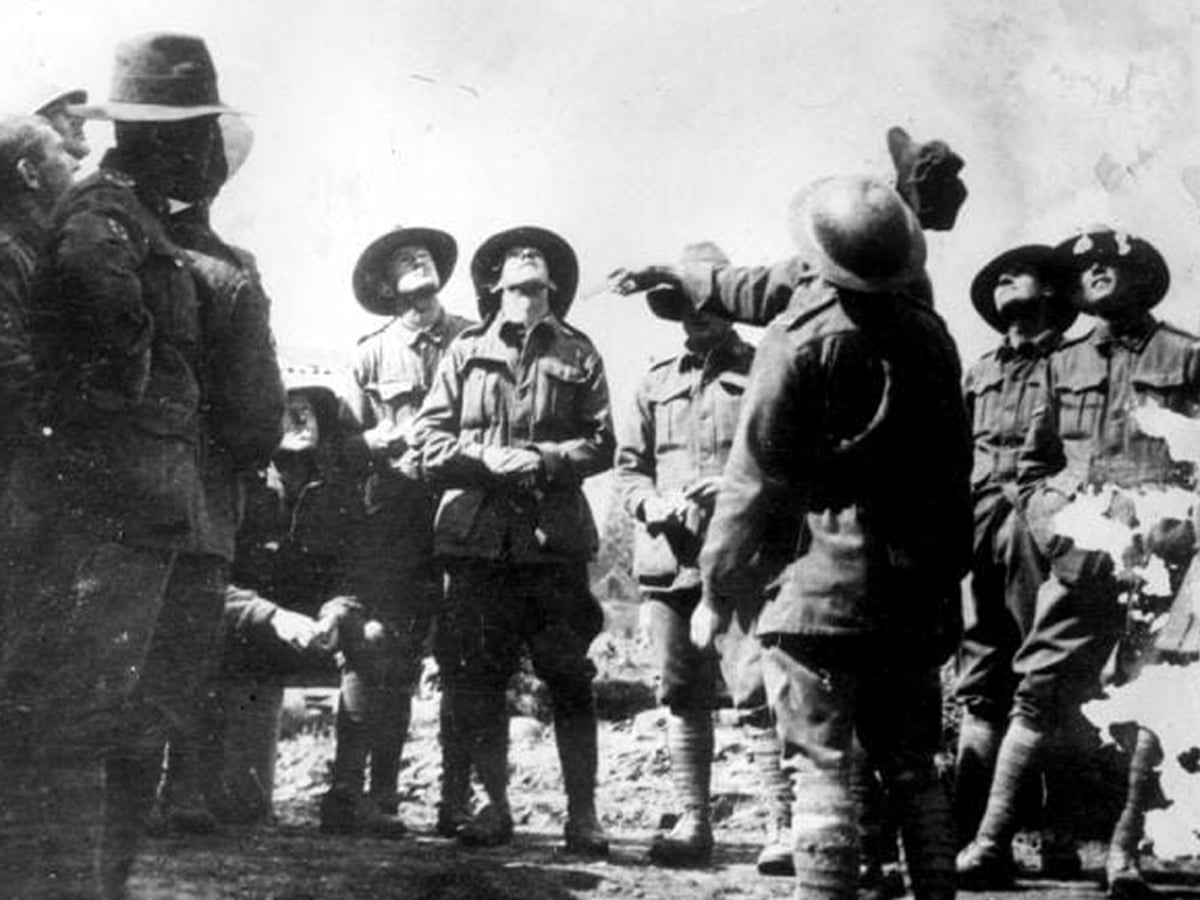
Exploring how Two-Up became a symbol of camaraderie and mateship during wartime.
Join us for a day of remembrance and celebration as Two-Up events take place across the country on Anzac Day, honouring veterans and traditions.
Explore the digital realm of Two-Up with new online platforms offering virtual gameplay, keeping the tradition alive even in modern settings.
The annual Two-Up Championships return, inviting spinners from around the nation to compete and celebrate this iconic game.