Stake In Poker
Understanding Stake in Poker
Delve into the intricacies of stake in poker, highlighting both financial and strategic aspects critical for success in the poker ecosystem.
The term stake in poker refers to both the financial backing players receive (staking) and the amount that defines the level of the game (game stakes). Understanding the concept of stake is essential for players and investors in the poker industry. Whether you are a recreational player, a professional, or an investor, knowing how stakes work and their implications is crucial for success and risk management.
Introduction
The term stake in poker encompasses two interconnected concepts: the financial backing provided by investors to poker players and the betting limits that define the level and intensity of a game. Both meanings are fundamental to how poker operates as a competitive and financial endeavor.
Types of Staking in Poker
Game Stakes Explained
Poker stakes are the financial limits set for a game that dictate how much a player can bet or raise during a hand. Stakes are typically categorized into distinct levels based on the blind amounts or buy-in values.
- Micro stakes: represent the lowest tier, ranging from $0.01/$0.02 to $0.05/$0.10 in blind structure. These games are ideal for beginners and casual players with limited bankrolls.
- Low stakes: include games with blinds of $0.10/$0.25 and $0.25/$0.50. Players at this level typically have more experience and are developing their skills.
- Medium stakes: feature blinds of $0.50/$1 and $1/$2, attracting more experienced players who understand poker strategy.
- High stakes: encompass games from $2/$4 to $5/$10, drawing skilled professionals and serious players. These games require significant bankroll management and strategic sophistication.
- High Roller games: involve blinds of $10/$20 or above, representing the most exclusive and competitive poker environments.
Poker Staking vs. Game Stakes
While game stakes define the betting limits of a specific game, poker staking is an entirely different arrangement. Staking occurs when a backer (investor) provides money to a poker player (known as a horse or stakee) in exchange for a share of the player's winnings.
Stakes in the Poker Industry
In the poker industry, understanding stakes is vital for both players and investors. The varying levels of stakes define the competitive landscape and financial commitment required.
Poker staking, a common practice in the industry, allows players to compete at higher levels without bearing the full financial risk while offering investors potential profits.
- Diverse stake levels from micro to high stakes.
- Staking arrangements providing financial backing.
- Strategic implications of different stake levels.
- Role of stakes in poker tournaments and cash games.
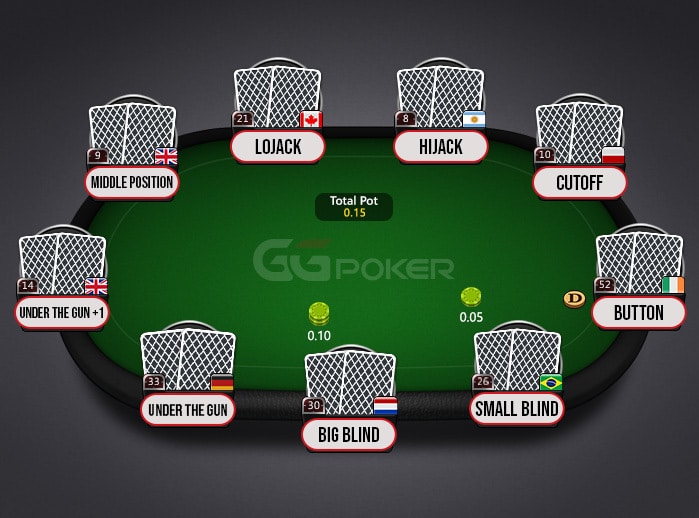
In a staking arrangement, the backer assumes the financial risk while the player focuses on performing well. This relationship requires clear agreements about what stakes or formats the player can participate in, whether cash games, tournaments, or specific variants like No-Limit Hold'em or Pot-Limit Omaha.
Importance of Stakes in Strategy
The stake level fundamentally influences how players should approach their decisions. At lower stakes, players typically employ tighter, more conservative strategies focused on value betting and solid fundamentals. As stakes increase, players must adjust their aggression levels, improve their ability to read opponents, and employ more sophisticated strategies.
Understanding your appropriate stake level is critical for risk management. A common guideline is to maintain a bankroll of at least 100 to 300 big blinds for the game you're playing, allowing you to manage variance and minimize the risk of losing your bankroll too quickly.
Understanding Poker Staking
How Staking Works
Poker staking is fundamentally an investment arrangement between two parties with clearly defined terms. The backer and horse agree to a split percentage of winnings, which depends directly on the risk involved. For low-stakes online cash games, where the backer's risk is minimal, the profit split might be relatively even. However, if the player is competing in a series of high-roller tournaments with $25,000 buy-ins, the risk is substantial, and the backer's percentage will be correspondingly higher.
Consider a practical example: if a staking deal involves standard online multi-table tournaments with $10-$100 buy-ins (considered low-medium risk), a backer might stake $2,000 and agree to a 50/50 split minus the stake, known as stakeback. The player and backer each receive 50% of any prize money won, but the backer also gets their original $2,000 investment returned first.
Stakeback Agreements and Terms
Stakeback agreements specify that the backer receives their initial investment back before winnings are distributed. This protects the backer's capital while ensuring the player can compete without personal financial burden.
The split percentage in staking deals typically starts at 50/50 as a baseline for standard arrangements. However, players can negotiate better terms—a 25/75 split weighted in the player's favor, for instance—or sell specific percentages of their action. If a player sells 30% of their action, the backer receives 30% of winnings while the player retains 70%, allowing both parties to control their risk and potential rewards.
Some arrangements include markup pricing, where a backer charges a markup for providing the stake. For example, if a player needs a 50% stake for a $2,000 buy-in, the stake would normally cost $1,000. With a 1.2 markup, the backer would pay $1,200 for that same 50% stake, though they still only receive 50% of the player's winnings.
Risks and Rewards of Staking
Financial Risks for Backers
Backers face direct financial risk proportional to the stakes their players compete in. At micro and low stakes, the risk is relatively contained—losses are modest even if the player underperforms. However, backing a player in high-roller tournaments or deep cash games exposes the backer to substantial potential losses.
The key risk mitigation strategy is ensuring the player is skilled enough to generate positive expected value at their chosen stakes. Backers should assess the player's skill relative to the competition they'll face and only provide stakes when confident in positive returns.
Rewards for Successful Staking
Successful staking arrangements generate profits for both parties. A backer investing $2,000 in a player with a 50/50 split can potentially double their money if the player runs well and generates significant tournament winnings. Over time, backing consistently profitable players builds wealth through passive investment in their poker performance.
Players benefit by gaining access to larger stakes without personal financial risk, allowing them to develop their skills at higher competitive levels and generate income even when results fluctuate due to the natural variance in poker.
The Role of Stakes in Tournaments
Tournament Buy-in and Stakes
Tournament stakes are defined by their buy-in requirements rather than blind structures. Micro stakes tournaments cost between $0.01 and $4.99 to enter, attracting recreational players and those building experience. Low stakes tournaments have buy-ins from $5 to $21.99, while medium stakes range from $20 to $55.
High stakes tournament buy-ins span $55 to $530, requiring significant bankroll commitment and skill. Anything above $530 is classified as high roller territory, where only elite players and wealthy recreational players typically compete.
Impact of Large Stakes on Tournament Dynamics
Higher stakes fundamentally alter tournament dynamics and player behavior. In high-stakes tournaments, players demonstrate significantly more strategic sophistication, tighter hand selection, and refined psychological tactics. The financial pressure increases decision-making quality, as players cannot afford casual mistakes.
Additionally, high-stakes tournaments attract skilled professionals whose game theory knowledge and experience create highly competitive environments. Players must adjust their strategies accordingly, focusing on survival in early stages and chip accumulation rather than aggressive play that might work against weaker competition.
Conclusion
Understanding stake in poker—both as a betting level and as a financial arrangement—is essential for anyone involved in the game. For players, choosing the appropriate stake level ensures optimal learning progression while protecting their bankroll. For investors, understanding staking mechanics and risk assessment enables profitable backing arrangements. Whether participating as a player developing through increasing stakes or as a backer investing in poker talent, mastering these concepts enhances both competitive performance and financial outcomes in the poker ecosystem.