
Discospondylitis in Dogs
Explore the causes, symptoms, and treatments of discospondylitis in canine patients.
- Causes and Symptoms
- Diagnostic Approaches
- Treatment Options
- Prognosis and Recovery
Spinitis involves inflammation of the spinal cord, historically significant in veterinary contexts, contributing to our understanding of spinal diseases.
Spinitis is an inflammatory condition affecting the spinal cord and its surrounding membranes, historically documented in veterinary medicine and occasionally referenced in human medical literature. While the term "spinitis" is not widely used in contemporary clinical practice, it holds significance in the historical context of spinal disorders. The condition is primarily associated with inflammation of the spinal cord (myelitis) and adjacent structures, often resulting in neurological deficits and pain. Understanding spinitis provides insight into the evolution of spinal disease classification and treatment, particularly in animals.
Spinitis refers to inflammation of the spinal cord and its membranes, leading to a range of neurological and systemic symptoms. It is most commonly observed in dogs and other animals, though similar conditions can occur in humans. Symptoms include paralysis, pain, gait abnormalities, and urinary retention. The condition may arise from infectious agents, trauma, or autoimmune processes, and it can affect any segment of the spinal cord.
Spinitis refers to inflammation of the spinal cord and its membranes, leading to a range of neurological and systemic symptoms. It is most commonly observed in dogs and other animals, though similar conditions can occur in humans. Symptoms include paralysis, pain, gait abnormalities, and urinary retention. The condition may arise from infectious agents, trauma, or autoimmune processes, and it can affect any segment of the spinal cord.
The term "spinitis" was notably documented by Antoine-Barthélemy Clot, also known as Clot-Bey, a French physician who served in Egypt during the 19th century. Clot-Bey described spinitis in the context of spinal inflammation, particularly in animals, and contributed to the early understanding of spinal cord diseases. His work laid the foundation for later classifications of spinal disorders and highlighted the importance of recognizing spinal inflammation as a distinct clinical entity.
In modern medicine, spinitis is often classified under broader terms such as spondylitis (inflammation of the vertebrae) and myelitis (inflammation of the spinal cord).
Spondylitis typically refers to inflammatory conditions affecting the vertebral column, such as ankylosing spondylitis in humans, while myelitis encompasses inflammatory diseases of the spinal cord, including infectious, autoimmune, and idiopathic forms.
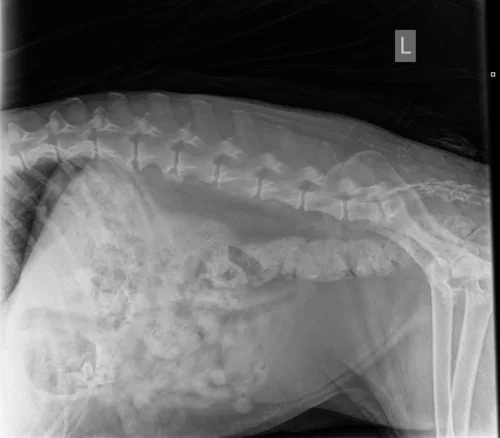
In modern medicine, spinitis is often classified under broader terms such as spondylitis (inflammation of the vertebrae) and myelitis (inflammation of the spinal cord). Spondylitis typically refers to inflammatory conditions affecting the vertebral column, such as ankylosing spondylitis in humans, while myelitis encompasses inflammatory diseases of the spinal cord, including infectious, autoimmune, and idiopathic forms. Spinitis, as historically described, overlaps with these conditions but is distinguished by its focus on the spinal cord and its membranes.
The hallmark symptoms of spinitis include:
In severe cases, spinitis can lead to complete paralysis, loss of reflexes, and progressive neurological decline. If the infection or inflammation spreads to the spinal cord, it may result in permanent damage, incontinence, or even death. Early recognition and intervention are crucial to prevent irreversible complications.
Historically, treatments for spinitis included bloodletting, fasting, and the use of herbal remedies. These approaches were based on the humoral theory of disease, which attributed illness to imbalances in bodily fluids. While these methods are no longer considered effective, they reflect the medical understanding of the time and the challenges of treating spinal inflammation without modern diagnostic tools.
Contemporary treatment of spinitis and related conditions focuses on addressing the underlying cause, whether infectious, autoimmune, or traumatic. Antibiotics are used for bacterial infections, while anti-inflammatory drugs and immunosuppressive agents may be prescribed for autoimmune or idiopathic cases. In severe cases, surgical intervention may be necessary to relieve pressure on the spinal cord. Supportive care, including pain management and physical therapy, is also essential for recovery.
Spinitis is a historically significant term that describes inflammation of the spinal cord and its membranes, primarily documented in veterinary contexts. While the term is less commonly used today, it remains relevant for understanding the evolution of spinal disease classification and treatment. Modern medicine has refined the diagnosis and management of spinal inflammation, but the legacy of spinitis continues to inform our approach to conditions like spondylitis and myelitis. By studying spinitis, we gain valuable insights into the historical and contemporary challenges of treating spinal cord disorders.
We are proudly supported by leading veterinary organizations and financial partners to enhance pet care and treatment solutions.




Explore the causes, symptoms, and treatments of discospondylitis in canine patients.

An overview of common gait issues in dogs and how to address them.
Discover the latest technological advancements improving veterinary care.
New research highlights significant findings in spinal disorders among pets.
Upcoming conferences focusing on advancements in animal health and care.