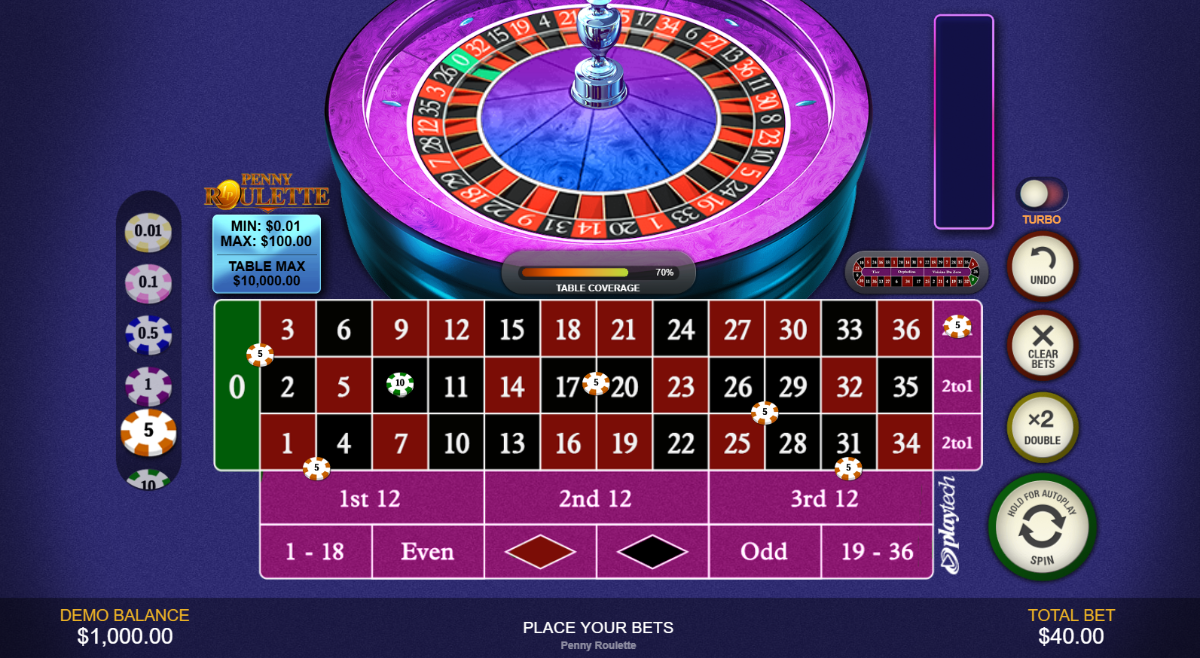
Exploring Inside Bets in Roulette
Dive deep into roulette's inside bets, offering high-risk, high-reward opportunities.
- High stakes advantage
- Detailed probability analysis
- Strategies for experienced players
- Balancing risk and reward
Delve into the world of roulette's most popular bet. Learn how red or black bets work, their differences in American and European roulette, and the strategies to maximize your chances.
Roulette remains one of the most iconic casino games, captivating players worldwide with its blend of simplicity and excitement. Among all the betting options available, the red or black bet stands out as one of the most popular choices for both novice and experienced players. This wager's appeal lies in its straightforward nature—nearly a 50/50 proposition—combined with the allure of consistent payouts and manageable risk levels. Understanding how payouts work for red or black bets is essential for making informed betting decisions and managing your bankroll effectively.
A red or black bet, also known as a color bet, represents one of the fundamental outside betting options in roulette. When you place this wager, you're predicting that the spinning ball will land on either a red or black number on the roulette wheel. The roulette wheel contains 18 red numbers, 18 black numbers, and one (European) or two (American) green zeros, creating the foundation for the odds calculation. The payout structure is remarkably simple: red or black bets pay 1:1, meaning if you win, you receive winnings equal to your original stake. For example, a $5 bet on red that wins returns $5 in winnings, while a $25 bet returns $25 in profit. This even-money payout makes color bets particularly attractive to players seeking consistent returns without chasing larger but riskier payouts.
The type of roulette wheel you're playing on significantly impacts your odds when betting on red or black. This difference stems from a single but critical factor: the presence of additional zeros.
| Roulette Type | Red/Black Odds | House Edge |
|---|---|---|
| European | 48.65% | 2.70% |
| American | 47.37% | 5.26% |
| French (with Le Partage Rule) | 48.65% | 1.35% |
European roulette features a single green zero, giving you a 48.65% chance of winning when betting on red or black. This translates to a more favorable house edge of 2.70%, meaning the casino's mathematical advantage over time is lower. American roulette, by contrast, includes both a 0 and a 00 (double-zero), reducing your winning probability to 47.37%. The second zero dramatically increases the house edge to 5.26%—nearly double that of European roulette. For every dollar wagered over an extended period, American roulette costs players roughly 5.26 cents more than European roulette on color bets. French roulette offers a middle ground, featuring the same single zero as European roulette but with an additional advantage through the Le Partage Rule, which returns half your stake if the ball lands on zero—reducing the effective house edge to just 1.35%.
Red or black betting represents a lower-risk strategy compared to inside bets on single numbers or specific combinations. Successful players often use even-money bets like red or black as their foundation, occasionally incorporating inside bets for excitement while maintaining disciplined bankroll management. The key to effective color betting lies in understanding that while the odds are relatively favorable compared to other roulette wagers, you cannot overcome the house edge through strategy alone. Instead, focus on:
The thrill of the spin captures the essence of roulette, where the payout on red or black is as much about strategy as it is about chance.
Analyzing the subtle differences between European and American roulette can dramatically impact your gaming strategy.

The mathematical foundation of red or black odds is straightforward but crucial to understand. The probability calculation divides the number of favorable outcomes (18 red or black numbers) by the total possible outcomes (37 in European roulette or 38 in American roulette). This yields the odds of 48.65% for European roulette and 47.37% for American roulette. Importantly, the payout structure reflects these probabilities. The casino calculates payouts based on the wheel having 36 outcomes, then divides 36 by the number of covered positions to determine the payout ratio. For red or black, covering 18 numbers results in a 36÷18 = 2 calculation, which translates to the 1:1 payout you receive. This mathematical relationship means the payouts are mathematically fair based on 36 outcomes, but the presence of the zero (or zeros) creates the house advantage. Over thousands of spins, this built-in advantage ensures the casino profits regardless of short-term fluctuations.
The house edge represents the casino's mathematical advantage over players, calculated as a percentage of total wagered amounts over extended periods. For red or black bets, this edge ranges from 1.35% (French with Le Partage) to 5.26% (American). Understanding the house edge's implications is vital for realistic expectations:
One of the most persistent misconceptions in roulette involves the belief that colors run "hot"—that if red has appeared multiple times consecutively, black is "due" to hit next, or conversely, that red is on a winning streak and will continue. This represents a fundamental misunderstanding of probability and randomness. Each roulette spin is completely independent of previous spins; the ball has no memory of prior outcomes. If red has appeared 10 times in a row, the probability of red appearing on the next spin remains exactly 48.65% in European roulette—no different from any previous spin. This phenomenon, known as the "gambler's fallacy," has led to countless losses from players attempting to capitalize on perceived patterns. Statistical variations are entirely normal in short-term play; a streak of one color simply reflects natural variance, not a shift in underlying probabilities.
Players frequently ask whether red or black is statistically safer or more likely to hit. The answer is definitively clear: red and black have identical odds and payouts. Statistically speaking, betting on black or red carries the same probability of success and the same house edge. The wheel contains precisely 18 red numbers and 18 black numbers (excluding the green zeros). No mathematical advantage exists for one color over the other. Any observed advantage in short-term play is purely coincidental and subject to reversal through natural variance. In the short term, one color might appear on a statistical advantage if it's on a hot streak, but this has no impact on future outcomes and reflects only temporary fluctuation rather than a reliable pattern. Betting consistently on one color versus the other makes no difference in expected value or risk profile.
The red or black bet represents a cornerstone of roulette wagering, offering a straightforward balance between reasonable odds and accessible payouts. The 1:1 payout on color bets provides even-money returns, with winning probabilities of 48.65% in European roulette and 47.37% in American roulette. While these odds appear nearly favorable, the house edge—2.70% for European and 5.26% for American roulette—ensures the casino maintains its mathematical advantage over extended play. Success with red or black betting depends not on discovering hidden patterns or exploiting supposed "hot streaks," but rather on understanding the mathematical realities of the game. Each spin remains an independent event; previous outcomes cannot predict future results, and red and black maintain identical probabilities and payouts regardless of recent history. For players seeking to minimize losses while enjoying the roulette experience, red or black bets remain among the strongest available options. Focus on playing European roulette when possible, setting strict bankroll limits, and treating each wager as a form of entertainment rather than a wealth-building strategy. By approaching color betting with realistic expectations grounded in probability rather than hope or pattern recognition, you can make informed decisions that align with your gambling goals and risk tolerance.
We thank our partners for their unwavering support in delivering expert insights and cutting-edge strategies.


Dive deep into roulette's inside bets, offering high-risk, high-reward opportunities.
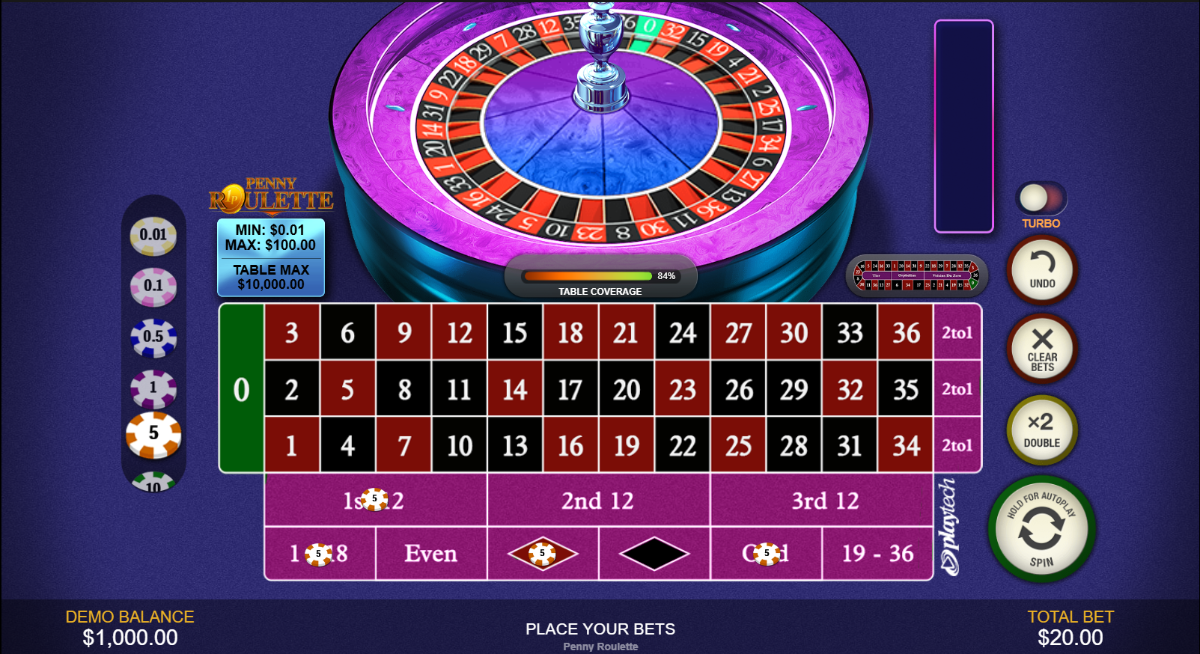
Uncover the simplicity behind outside bets such as red or black, ideal for cautious players.
Discover upcoming innovations in roulette gameplay and technology set to transform the casino floor.
A critical analysis of 2025's most successful roulette strategies and how they hold up against traditional methods.
An expert's perspective on variance and its impact on both novice and veteran roulette players.