
CS:GO and the Skin Gambling Phenomenon
Uncover the intricate world of skin gambling in CS:GO and its impact on the gaming community.
- Case Opening Dynamics
- Economic Impact
- Community Reactions
- Industry Outlook
Discover the psychological and financial implications of gambling mechanics in video games and their influence on players, especially the youth.
The integration of gambling mechanics into mainstream video games has become a defining trend in the modern gaming industry. What began as simple randomized rewards in role-playing games has evolved into sophisticated systems designed to maximize player engagement and monetization. These mechanics—such as loot boxes, gacha systems, and skin trading—mirror the psychological and financial principles found in traditional casinos. As a result, video games are increasingly blurring the line between entertainment and gambling, raising important questions about player well-being, regulation, and the future of game design.
Loot boxes are virtual items that players can purchase with real money or in-game currency, offering randomized rewards such as skins, characters, or equipment. Their mechanics closely resemble those of slot machines or trading card packs: players pay for a chance to receive a desirable item, with outcomes determined by probability rather than skill. This system has proven highly lucrative, with companies like Activision Blizzard reporting billions in microtransaction revenue annually, much of it driven by chance-based purchases.
Game developers employ psychological techniques that mirror those used in casinos. Variable ratio reinforcement—where rewards are delivered unpredictably—keeps players engaged and encourages repeated spending. The near-miss effect (showing players they "almost" won a rare item) and loss aversion (making players feel they are missing out if they don’t participate) further drive engagement. The sunk cost fallacy—where players continue investing due to prior commitments—also plays a role. As Dr. James Peterson of MIT notes, modern games use the same dopamine manipulation techniques as slot machines, just wrapped in different aesthetics.
The legal definition of gambling typically requires three elements: consideration (something of value wagered), chance (random outcome), and compensation (something of value won). Many loot box systems meet these criteria, especially when in-game items can be traded for real money on external marketplaces. However, regulations vary widely by jurisdiction, and most countries do not classify loot boxes as gambling unless real money can be directly withdrawn. The Entertainment Software Ratings Board (ESRB) now labels games with randomized in-game purchases, but enforcement remains inconsistent, leaving many players—especially children—vulnerable to unregulated gambling-like experiences.
Loot boxes and other gambling mechanics have woven into the fabric of gaming, creating huge revenue streams while posing ethical challenges.
With the gaming industry's evolution, understanding these gambling-adjacent features is critical for developers, regulators, and consumers alike.
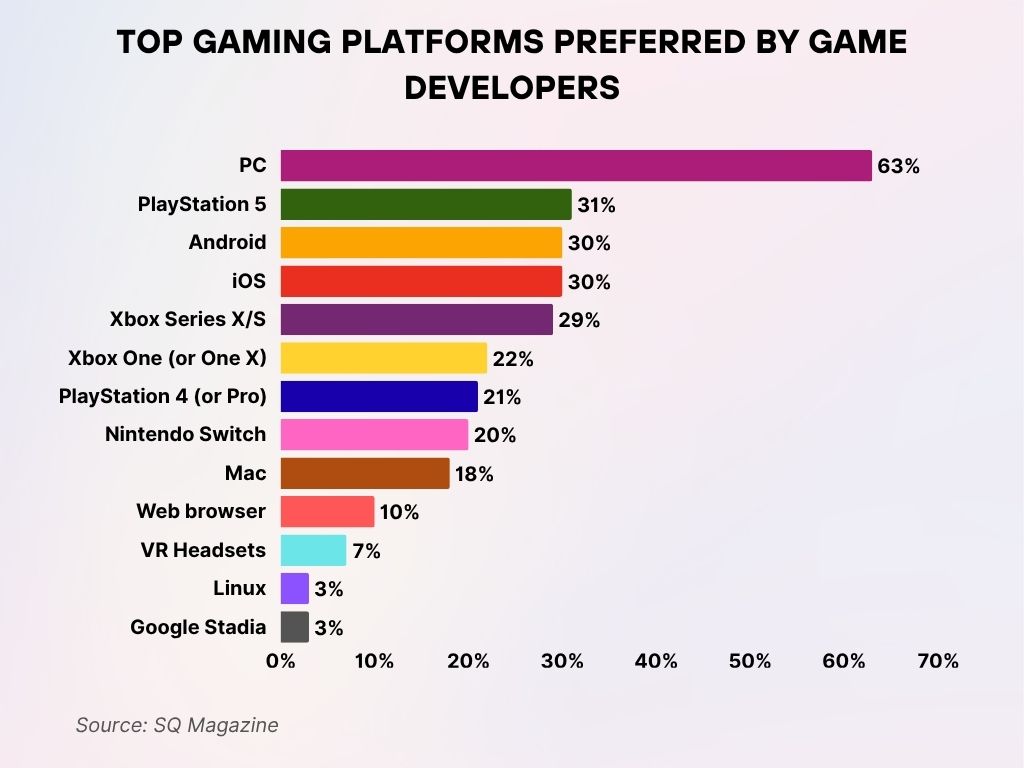
FIFA Ultimate Team, Overwatch, and Counter-Strike: Global Offensive incorporate gambling elements extensively, generating billions in revenue for game companies. For instance, FIFA’s card pack system is closely modeled after gambling strategies, drawing heavy scrutiny for its impact on players. In Overwatch, loot boxes containing random items ensure continuous player spending as gamers chase desirable cosmetic skins. Counter-Strike's skin trading system has created a robust marketplace where virtual items can transition to real money, further intertwining traditional gambling with gaming.
Many games with gambling mechanics are rated for younger audiences, making these features accessible to children and adolescents. Research shows that exposure to gambling-like mechanics in games can increase favorable attitudes toward gambling and lead to problematic behaviors. The ESRB's "In-game purchases (Includes Random Items)" label helps inform consumers, but it is not always prominently displayed or understood by parents.
Studies have linked loot box spending to increased problem gambling tendencies, psychological distress, and problematic gaming behaviors. The top 59% of mobile games, particularly those with loot boxes, are associated with higher rates of problematic gambling. These mechanics can serve as pathways to real-world gambling, especially for vulnerable populations.
Gambling-like features influence spending habits by exploiting cognitive biases like the sunk cost fallacy (continuing to invest due to prior losses) and loss aversion (desire not to miss out on exclusive rewards). Players may spend excessive amounts chasing rare items, leading to financial losses disguised as "gaming expenses." The lack of transparency around game mechanics and the addictive nature of these systems exacerbate the risks.
The integration of gambling mechanics into video games represents a fundamental shift in the gaming industry. While these features have proven highly effective in driving engagement and revenue, they also pose significant risks to player well-being, particularly for younger and vulnerable individuals. The psychological techniques used in gaming closely mirror those found in casinos, raising concerns about problem gambling, financial harm, and regulatory oversight. As the line between gaming and gambling continues to blur, it is crucial for developers, regulators, and consumers to consider the balance between entertainment and the potential harms associated with these mechanics.
Our mission relies on the support of these wonderful partners who help us push the boundaries of what's possible in gaming and beyond.
Uncover the intricate world of skin gambling in CS:GO and its impact on the gaming community.

Explore how FIFA’s Ultimate Team mode revolutionized sports games and brought gambling elements to the forefront.
Countries worldwide are enacting legislation to classify loot boxes as gambling, reshaping the gaming landscape.
Studies reveal how gambling mechanics in games mirror traditional casinos, affecting players' mental health.
The popular game mode faces criticism for its gambling-resembling structure, prompting calls for more stringent regulations.