
The Intersection of Love and Evolution
Explore how evolutionary principles can transform our understanding of love and cooperation.
- Philosophical exploration
- Interconnectedness
- Evolutionary love
- Cooperative behaviors
Evolutional living demonstrates how biological and philosophical principles of evolution shape lifestyles and societal structures.
The concept of evolutional living reflects how our lives and lifestyles can be shaped and influenced by the fundamental processes of evolution—both biological and philosophical. Evolution, at its core, is not just a scientific theory about the origins of life but a dynamic framework that helps us understand change, adaptation, and growth across all aspects of existence. In the biological realm, evolution explains the diversity and complexity of life through mechanisms such as natural selection, genetic drift, and mutation. Philosophically, evolution challenges static worldviews, encouraging us to embrace change, uncertainty, and continuous development in our personal and collective lives.
This perspective has profound implications for daily living: it invites us to see ourselves not as fixed entities but as part of an ongoing process of transformation. Whether in our careers, relationships, or personal growth, adopting an evolutionary mindset means recognizing that adaptation and learning are essential for thriving in an ever-changing world.
Biological evolution refers to the gradual change in the heritable characteristics of populations over successive generations. This process is responsible for the incredible diversity of life forms on Earth, from microscopic bacteria to complex multicellular organisms like humans. Evolution occurs when genetic variations arise within a population and are passed down through reproduction. Over time, these changes accumulate, leading to new traits, species, and ecosystems.
A key outcome of evolution is adaptation—the process by which organisms become better suited to their environments. Adaptations can be physical (such as camouflage or specialized limbs), behavioral (such as migration or social cooperation), or physiological (such as resistance to disease). These adaptations increase an organism's chances of survival and reproduction, ensuring that beneficial traits are preserved and spread throughout the population.
Life on Earth began approximately 3.5 billion years ago with simple, single-celled organisms such as bacteria and archaea. Over billions of years, evolutionary processes led to the emergence of increasingly complex life forms:
This historical trajectory illustrates how evolution has shaped the biosphere, creating a vast array of species adapted to diverse ecological niches.
The study of evolution encompasses various branches, each exploring different aspects of biological change.
These branches contribute insights into how life evolves and adapts both in natural and human contexts.
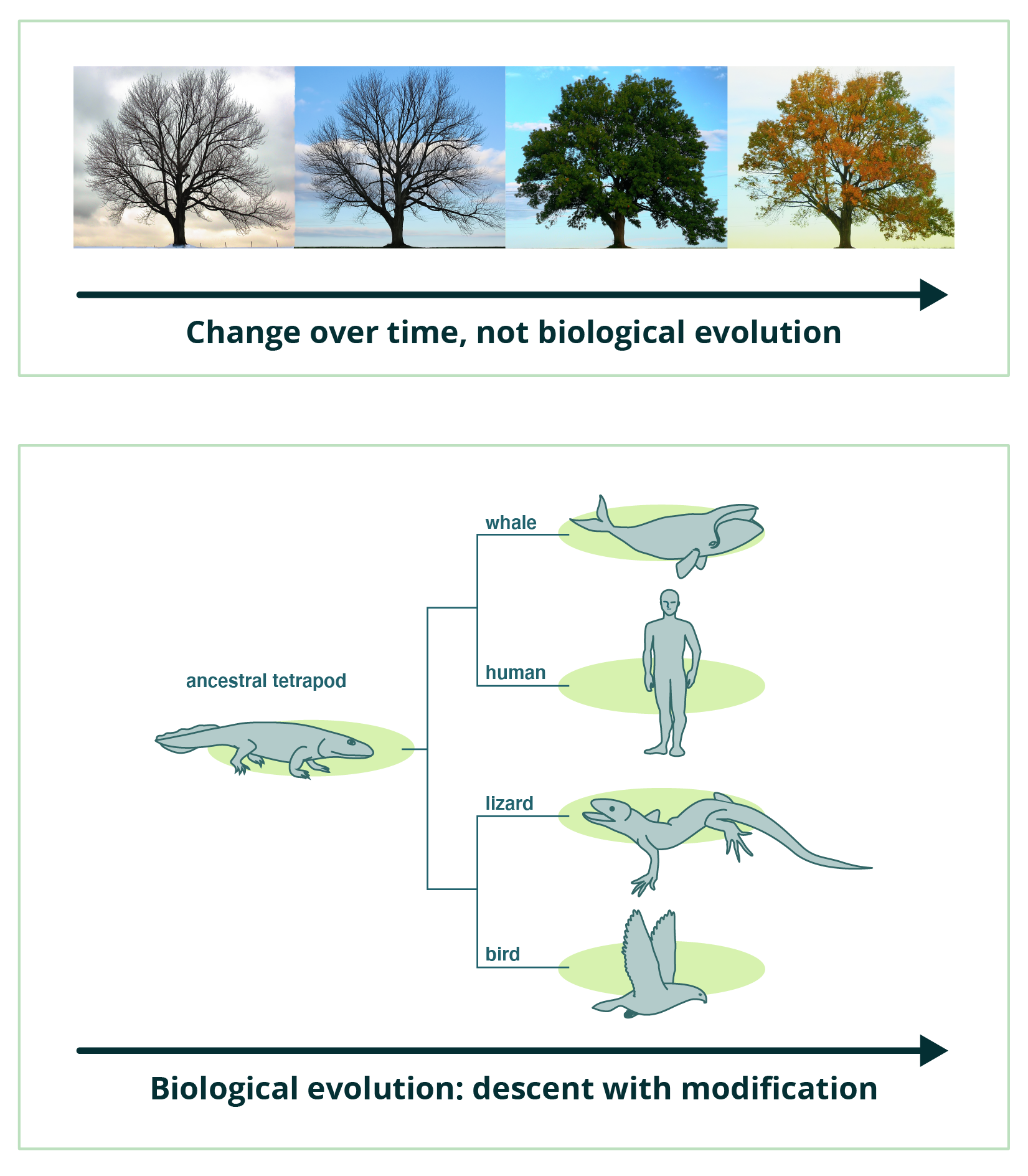
In personal and professional contexts, embracing an evolutionary mindset means recognizing that change is inevitable and often beneficial. Just as organisms adapt to environmental pressures, individuals must learn to navigate shifting circumstances, whether in career paths, relationships, or societal norms. Adaptability fosters resilience, creativity, and problem-solving skills, enabling people to thrive in uncertain or challenging situations.
For example:
Adopting an evolutionally living mindset involves practical strategies for continuous growth and adaptation:
These practices help individuals stay agile and responsive in a world characterized by constant change.
The concept of evolution profoundly shapes our understanding of human existence and relationships. By recognizing that all life shares a common ancestry, we gain a deeper appreciation for the interconnectedness of all living beings. This perspective fosters empathy, humility, and a sense of responsibility toward other species and the planet.
Evolution also challenges traditional notions of human exceptionalism, emphasizing that we are part of a larger web of life rather than separate from or above it. This realization can inspire more sustainable and compassionate ways of living, grounded in a recognition of our shared origins and interdependence.
As scientific knowledge advances, the implications of evolution for lifestyles and societal norms will continue to expand. Emerging fields such as evolutionary psychology, epigenetics, and synthetic biology are reshaping our understanding of human behavior, health, and identity. For example:
In the future, evolutionary living may involve integrating biological, cultural, and technological dimensions of change, fostering holistic approaches to well-being and progress.
Evolutional living is a powerful concept that bridges science, philosophy, and everyday life. By understanding the processes of biological evolution—adaptation, natural selection, genetic drift, and mutation—we gain valuable insights into the nature of change and growth. Applying these principles to our personal and professional lives encourages resilience, adaptability, and continuous learning.
Philosophically, evolution reminds us of our shared origins and interconnectedness, inspiring more compassionate and sustainable ways of living. As we look to the future, embracing an evolutionary mindset will be essential for navigating the complexities of a rapidly changing world. Ultimately, living with an evolutionary perspective means recognizing that growth, adaptation, and transformation are not only natural but necessary for thriving in life.
We collaborate with leaders in evolutionary research and philosophy to promote understanding and innovation.



Explore how evolutionary principles can transform our understanding of love and cooperation.

How spirituality can evolve with a deeper understanding of our biological roots.
Recent studies highlight innovative techniques in genetic modification, opening discussions on ethics and potential applications.
AI technologies are being shaped by evolutionary algorithms, leading to smarter, adaptive systems.
Understanding how epigenetic factors influence development and long-term health is offering new pathways for personalized medicine.